Acoustic Ratings Explained
All acoustic doors are certified with an Rw rating derived from independent testing. This rating indicates acoustic performance of a door as part of a wall system. This is an overview of how these ratings are calculated, what they represent, and how it can affect specification.
Understanding acoustic ratings is key to specifying suitable acoustic doors. To be deemed an 'acoustic doorset' the complete doorset (door leaf + frame + seals) must first be indepently tested and certified to a particular wall type. This system is then awarded an Rw rating which signifies its performance level in reducing sound. The certificate stating that this test has taken place is provided along with the supply of an acoustic door.
Jump to:
Rw Rating Overview
What does an Rw Rating indicate?
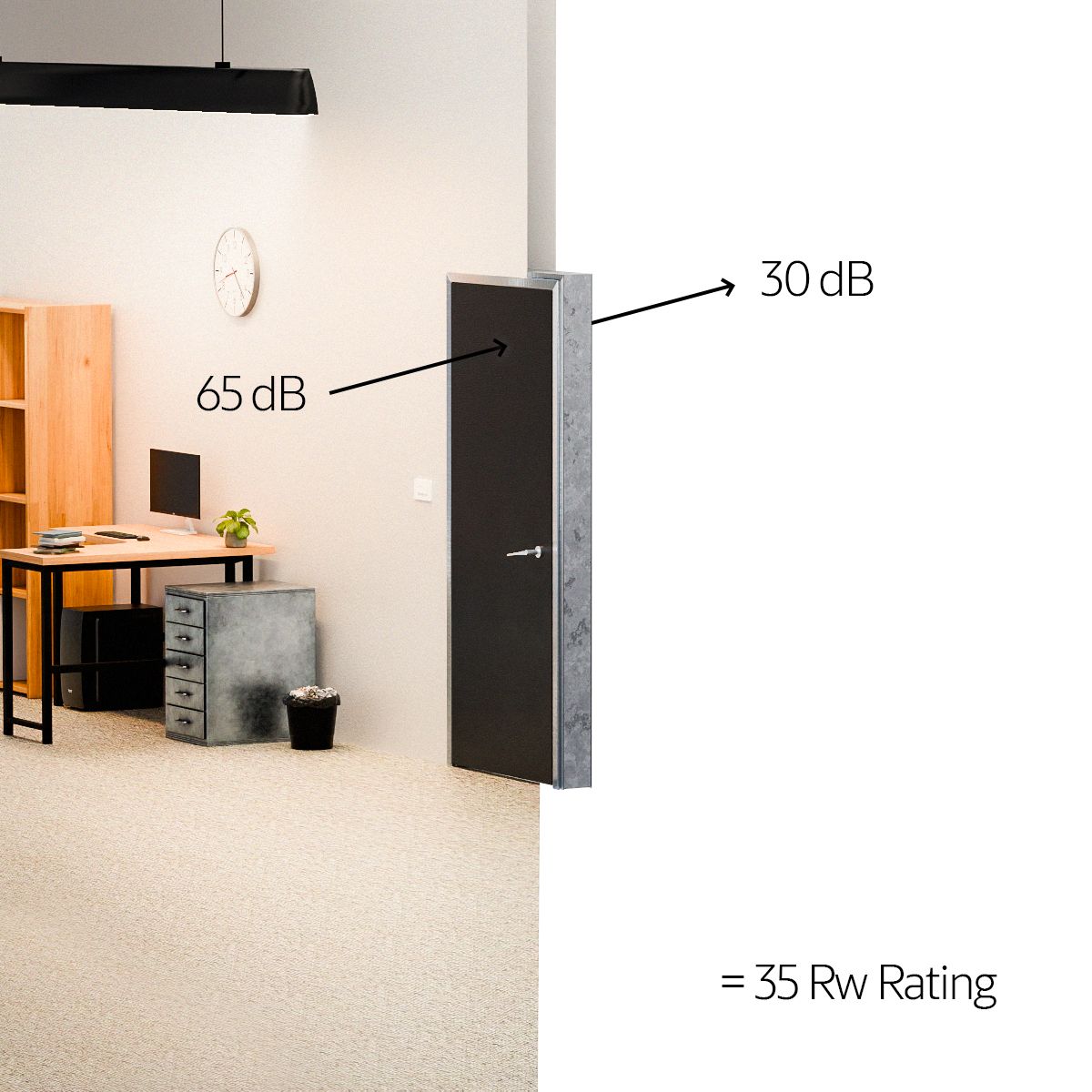
The industry standard acoustic rating in Australian construction is an Rw rating. This is a Weighted Sound Reduction Index measuring the falloff of sound transmission from one side of a structure to the other. This sound falloff (measured in dB) equates to the Rw rating.
How is it calculated?
Testing determines the Sound Transmission Loss (TL) from one side of a door to the other. A number of sound frequencies are tested and a weighted average is taken of how much the sound level has fallen whilst passing through the door set. This decline - measured in decibels (dB) - determines the door set’s rating. As such, the higher the rating, the better the door set is at soundproofing. See this demonstrated in a 65dB noise level being reduced to 30dB; the subsequent Rw rating being the disparity between these figures.
Who carries out this testing?
Testing is held by an accredited third-party research facility (ie. CSIRO / Acoustic Engineering Laboratories).

Performance by Setting
Guide | Performance Level | Setting |
| 20 - 30 Rw | Minor | Standard Door |
| 30 - 35 Rw | Reasonable | Commercial Office Space, Apartment Entry |
| 36 - 40 Rw | Significant | Board Room, Hotel Room Entry, Healthcare Ward |
| 41+ Rw | Extreme | Industrial Facility, Recording Studio, Theatre |
Acoustic Seals Overview
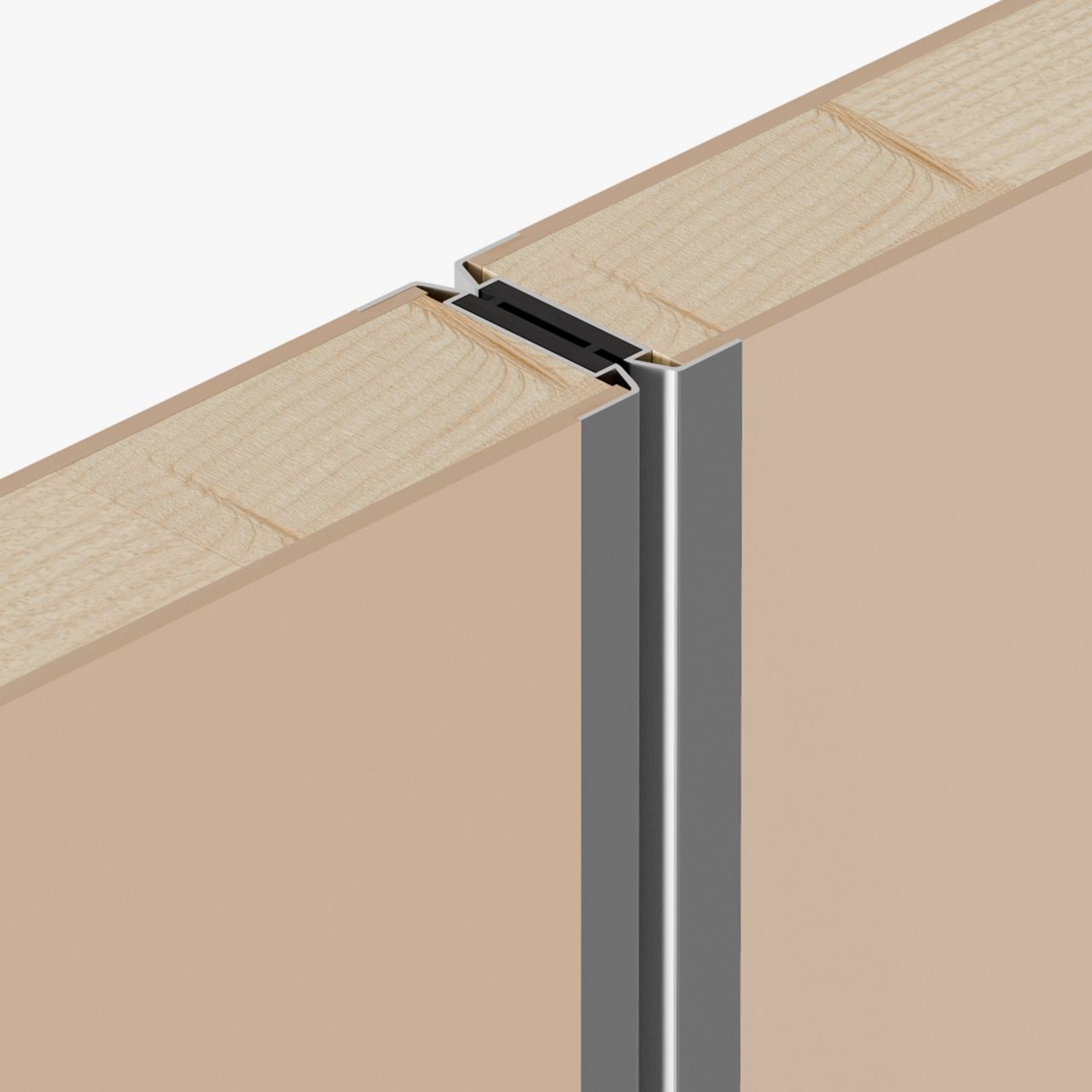
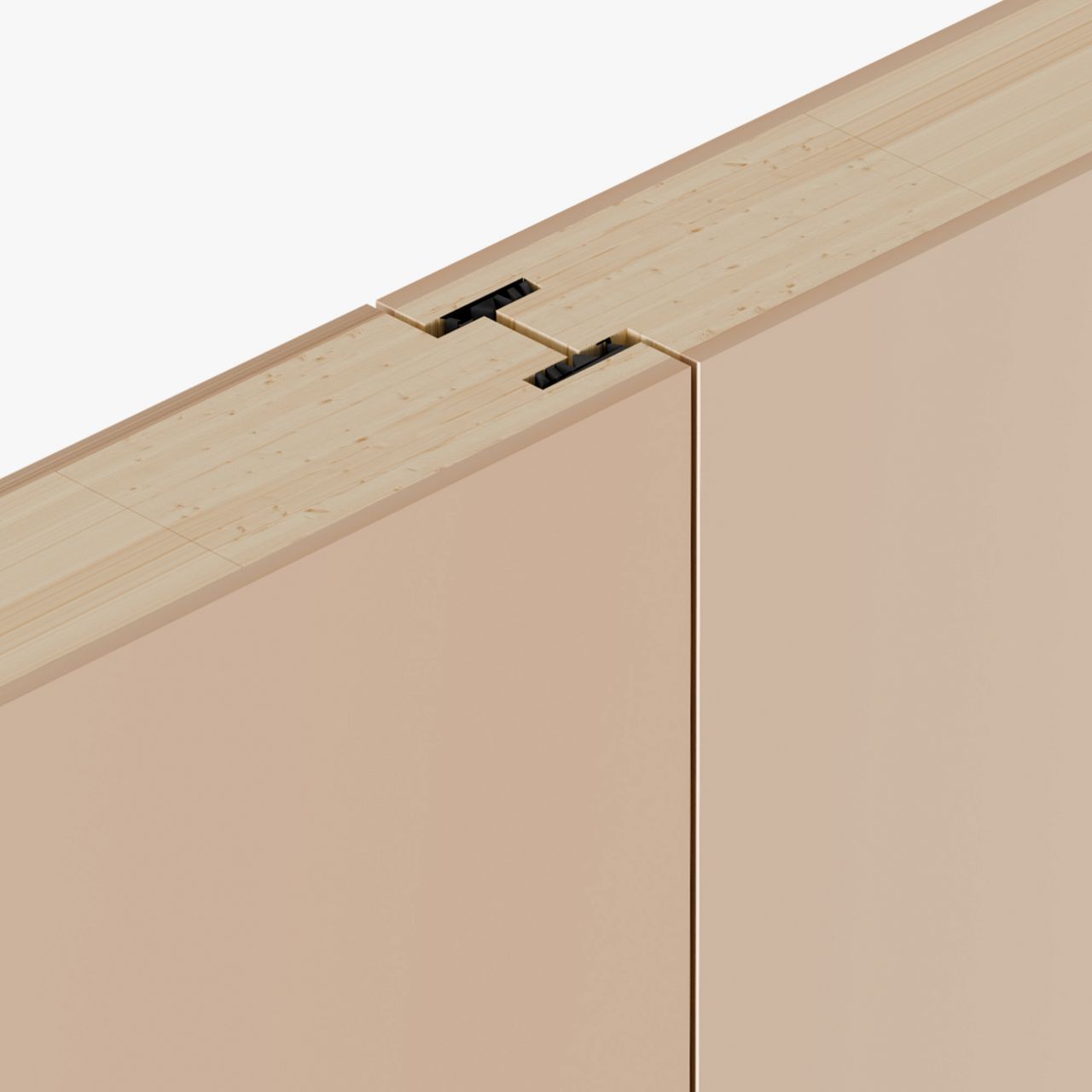
In order to perform its acoustic purpose and achieve an Rw rating, all acoustic doorsets require specialty hardware to seal gaps present in a doorset. These gaps otherwise provide an opportunity for sound to pass through uninterupted between the door leaf and frame. This encompasses around-door gaps (with perimeter seals), under-door gaps (with bottom / drop seals), and between-door gap in pair doors (with meeting stiles). The seal models must be tested and certified for fitting with particular doorset configurations.
Perimeter Seals
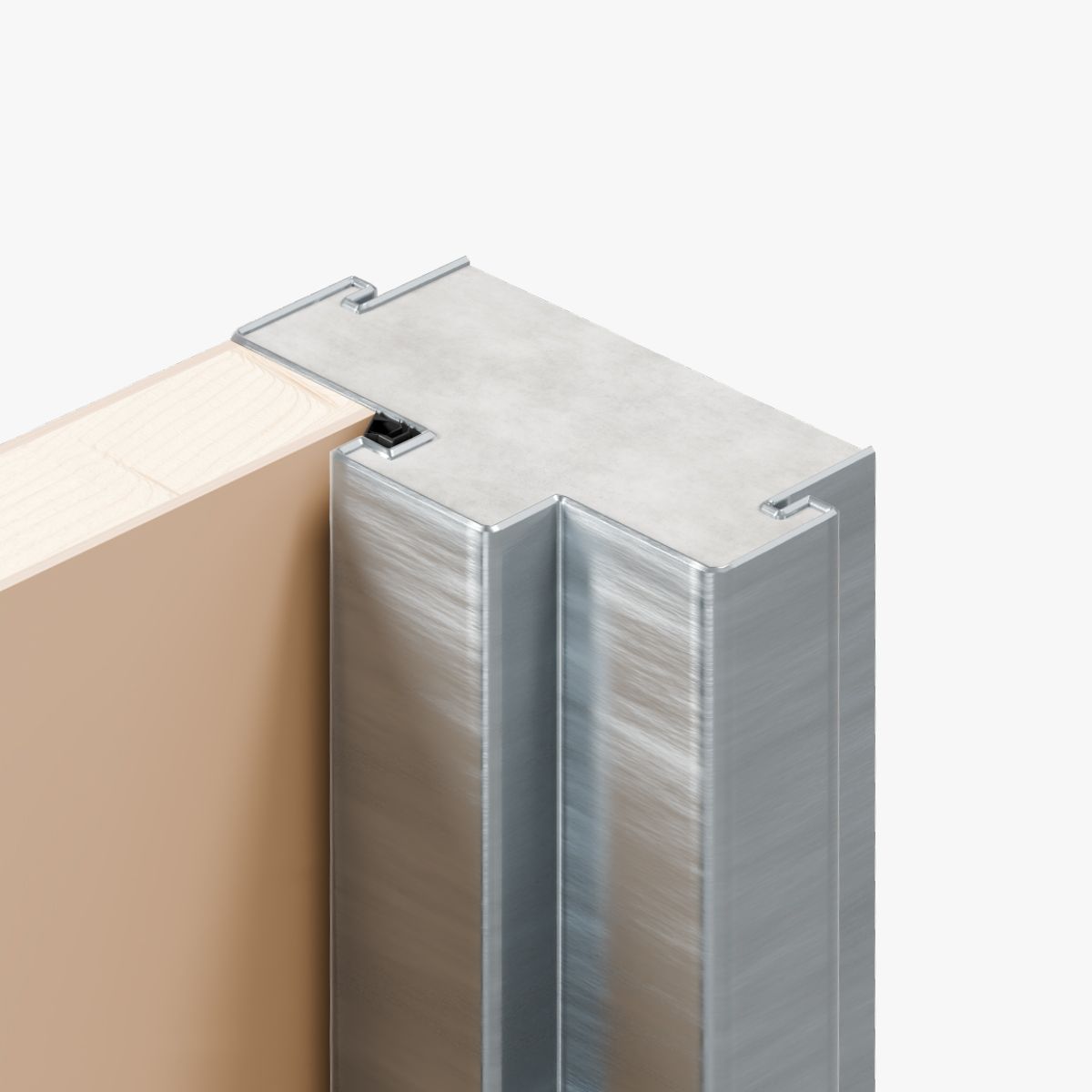
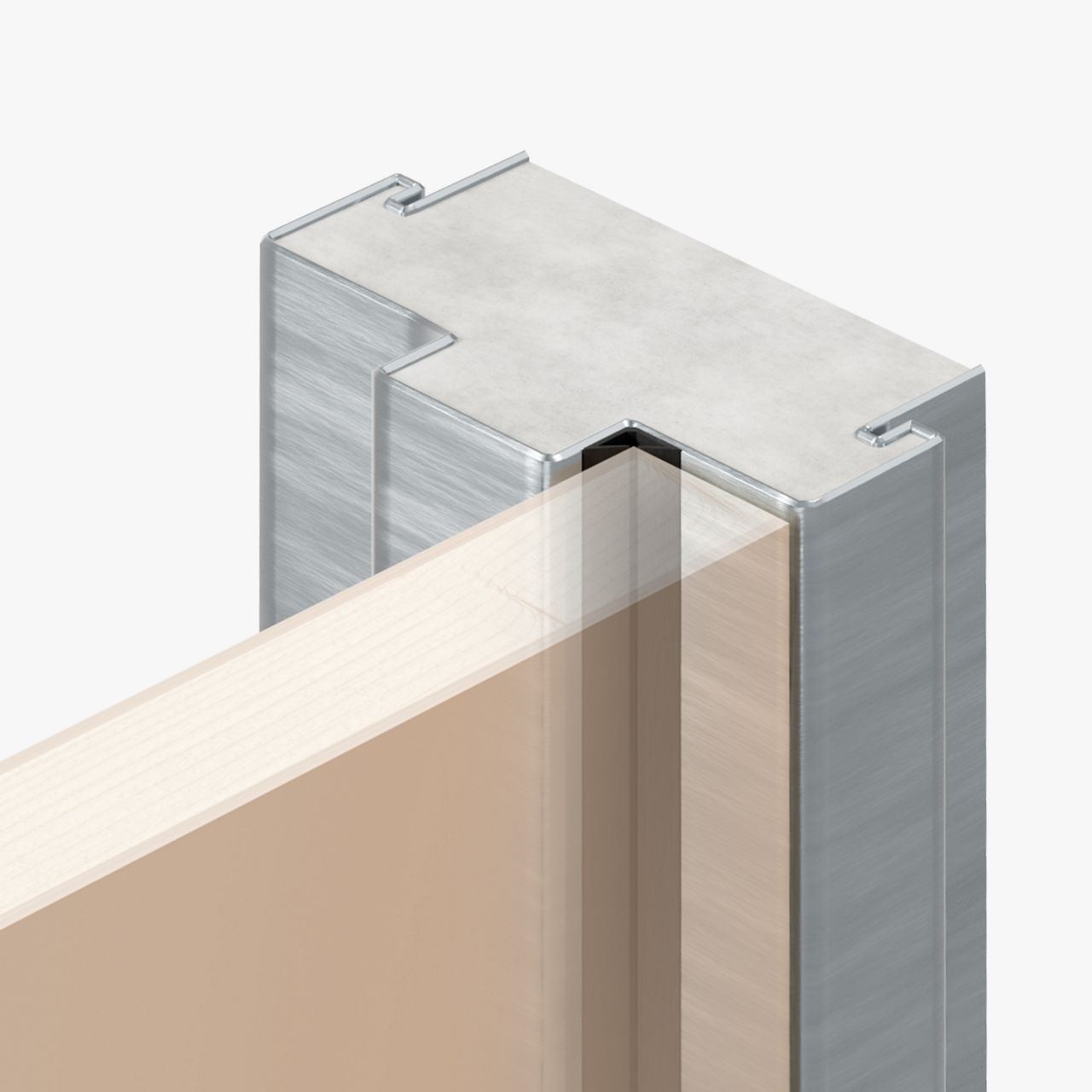
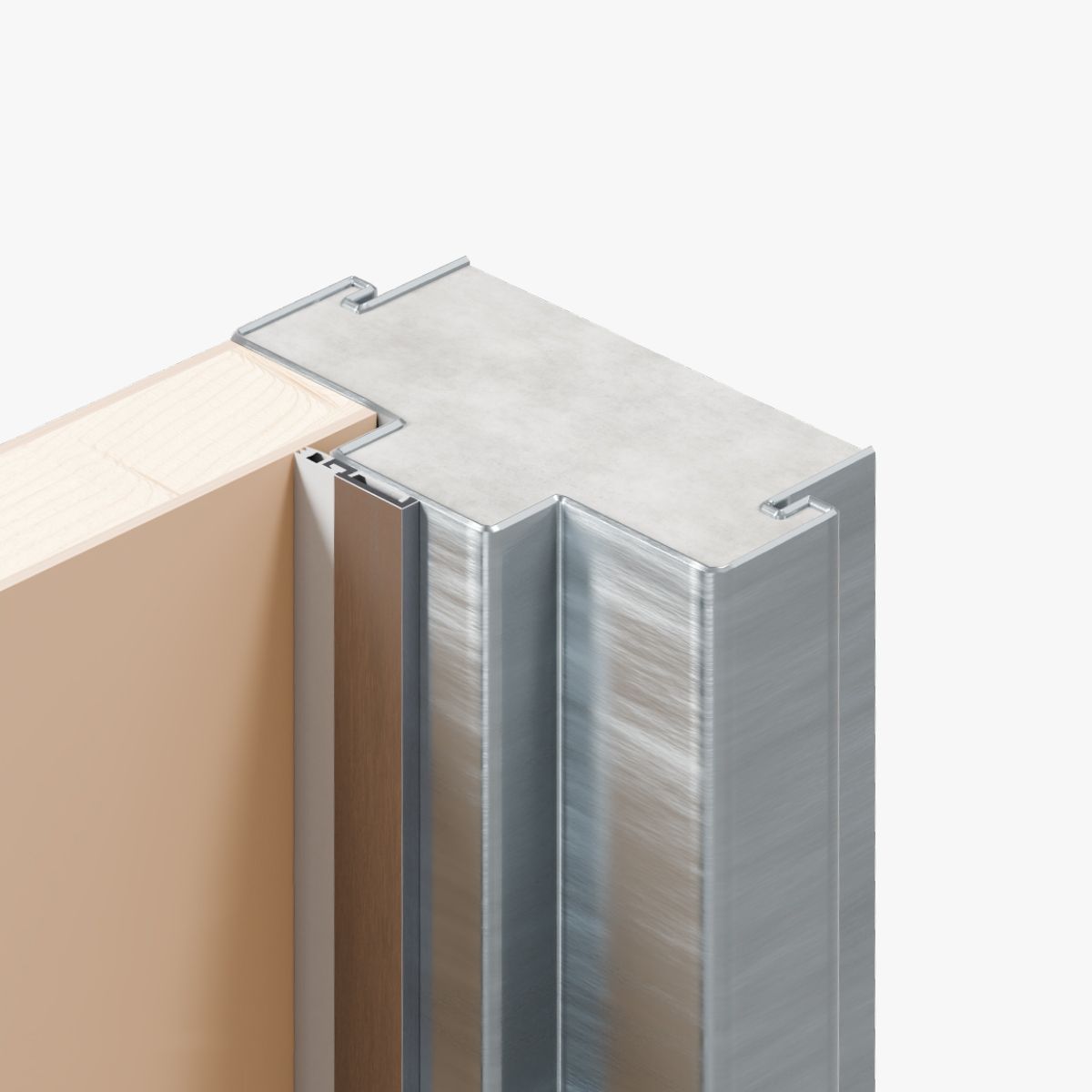
To seal the entire perimeter gap between the door leaf and the frame. Variants displayed are for reference of possible perimeter seal hardware variations, selection is predominantly determined by tested configurations.
| Rebated Seal | Corner Seal | Face-Fixed Seal
|
Drop / Bottom Seals
To seal the underside gap between the bottom of the door and the floor / floor covering.
| Concealed | Semi-Mortised
| Face-Fixed |
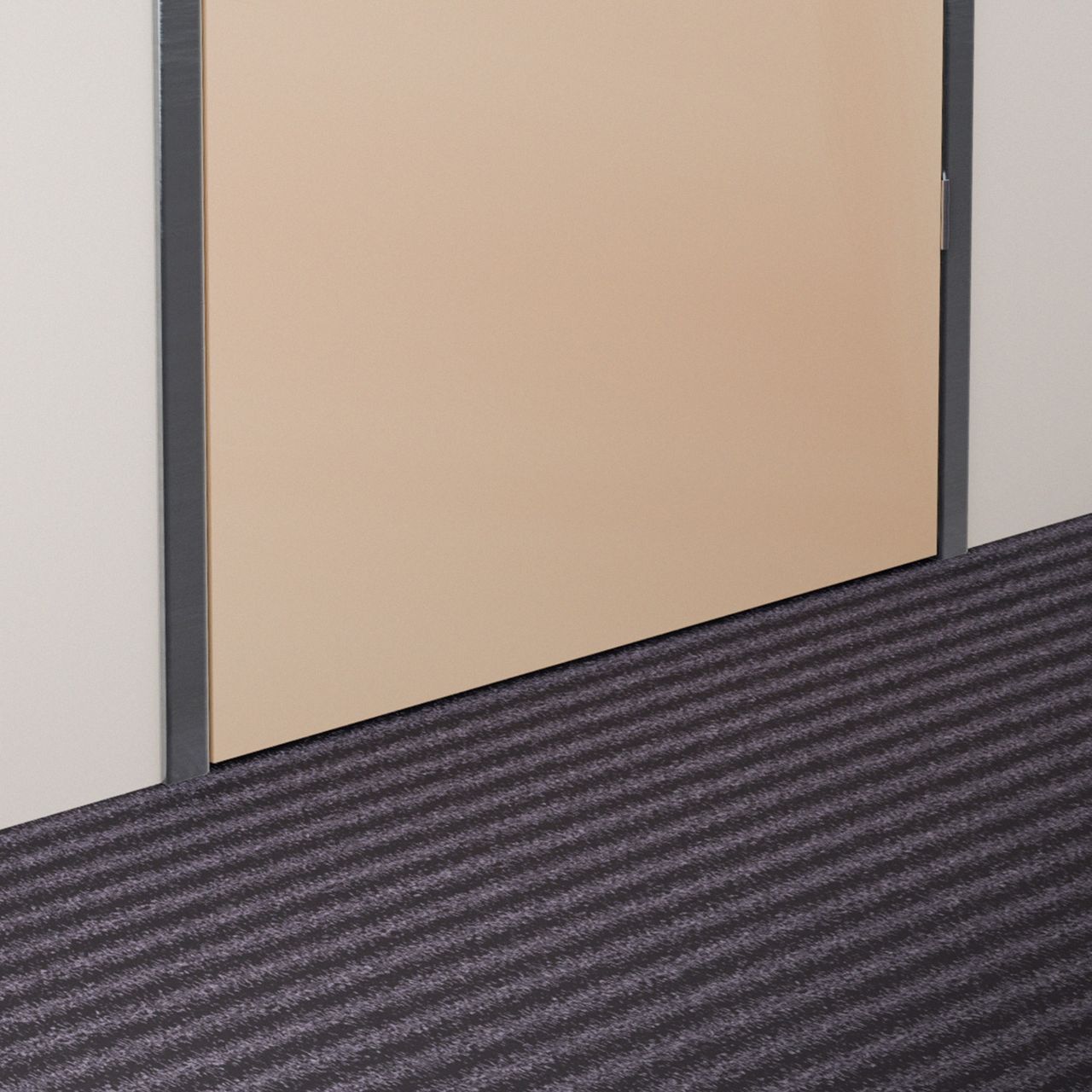
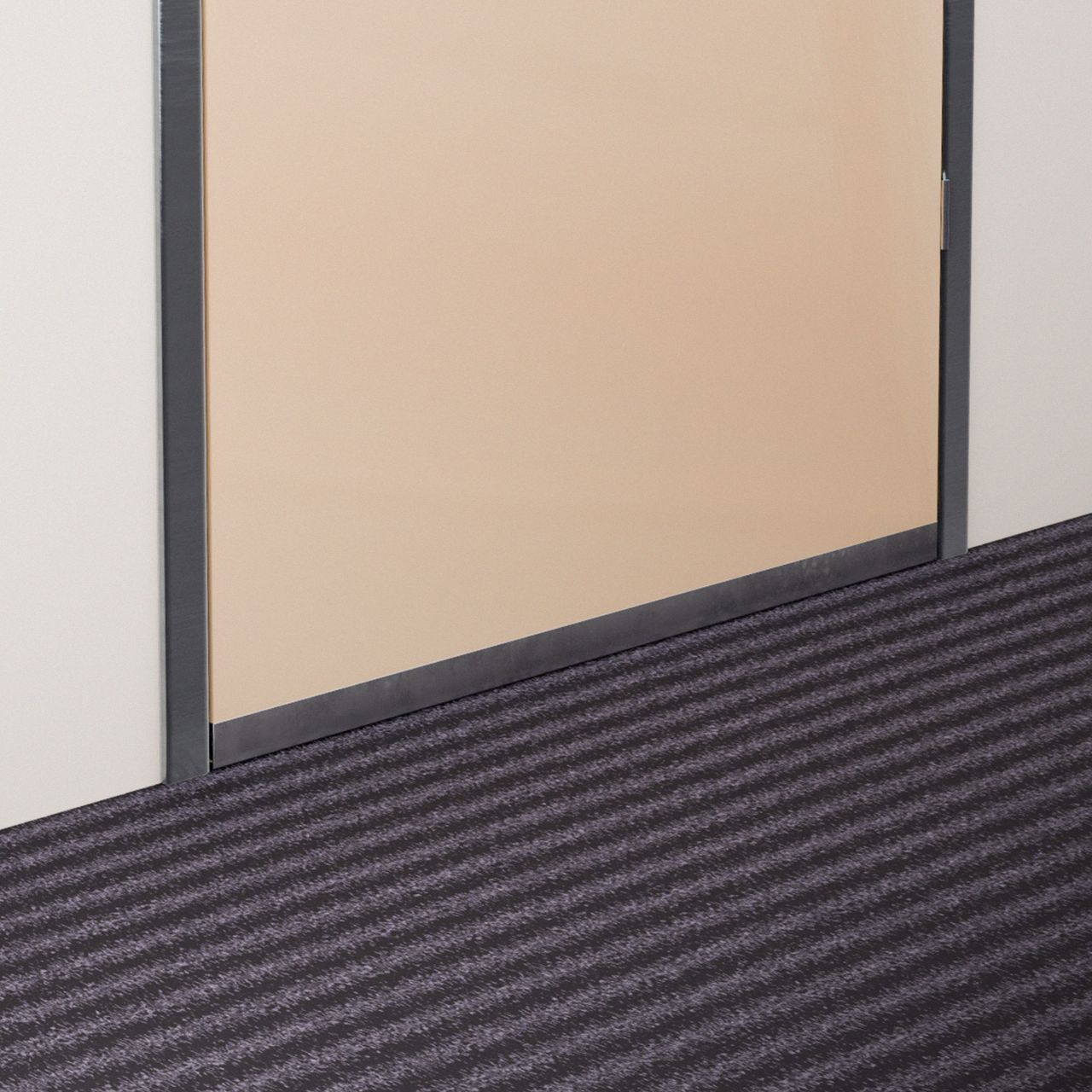
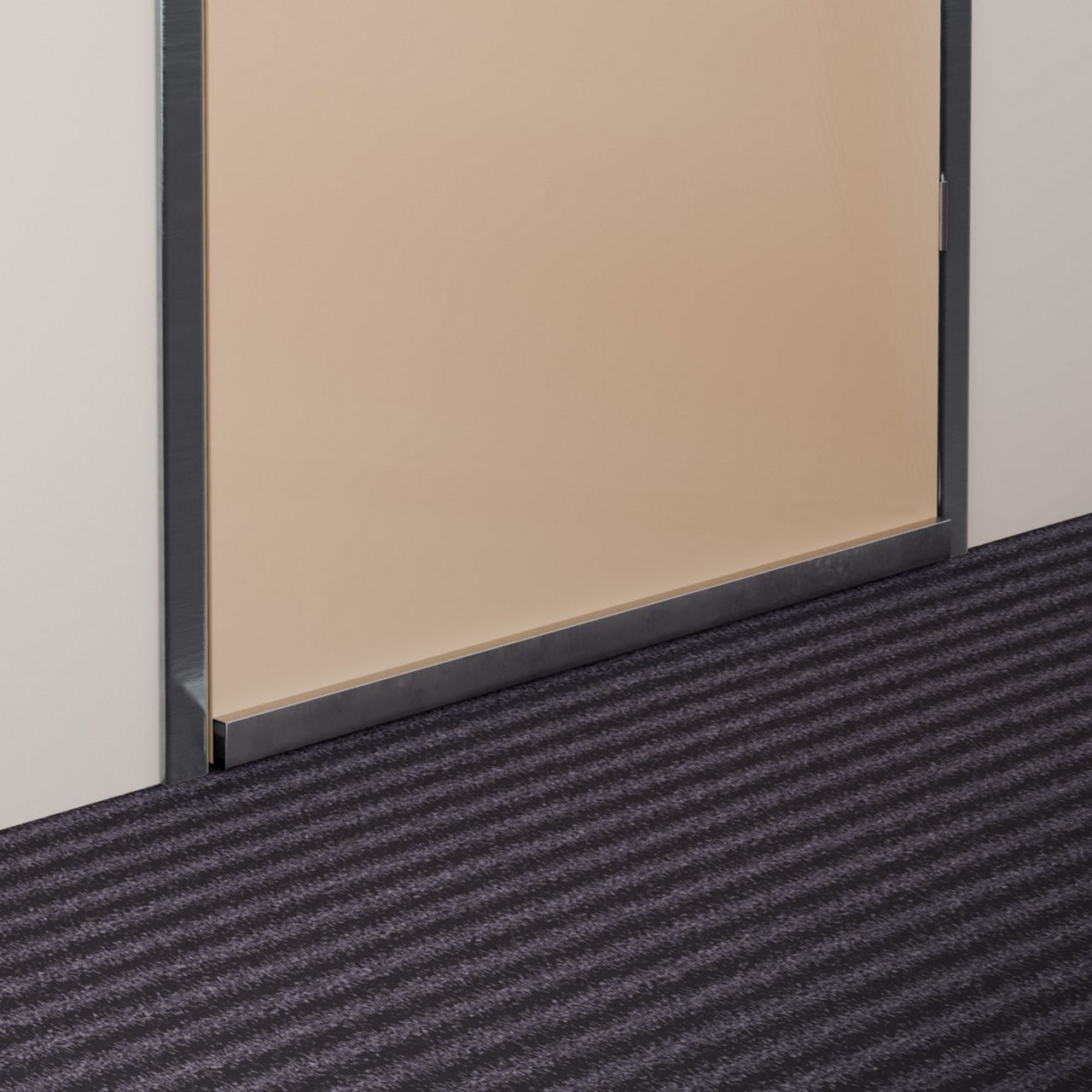
Meeting Stiles
To seal the between-door gap in double / pair door instances. Variants displayed are for reference of possible perimeter seal hardware variations, selection is predominantly determined by tested configurations.
| J-Bar
| Bullnose
| Rebated
|
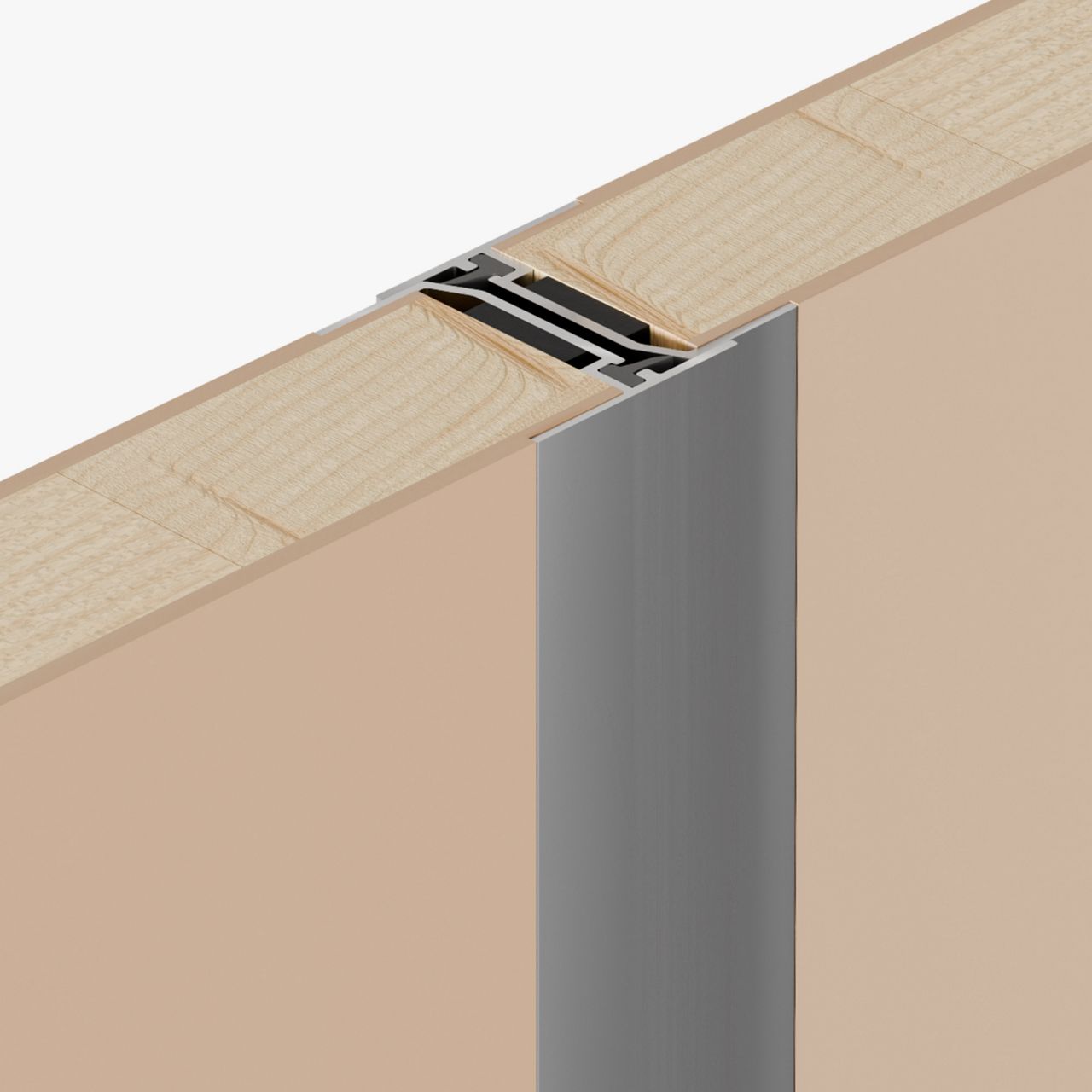
Spence Doors' Acoustic Doorsets
Spence Doors offer a range of acoustic doorsets varied by size, configuration, and rating. The range includes single and pair doors, as well as fire-rated options. Non-fire-rated acoustic single doors and pair doors are tested to deliver up to Rw 47 and Rw 42 respectively. Fire-rated acoustic doors are tested to deliver up to Rw 40. May be manufactured with both metal and timber frames.
More Resources
- Guide
Stay Secure with COLORBOND® Steel Clad Doors
2026-08-25
- Guide
The Risks of Fire Bolts
2026-04-21
- Guide
What to Know When Specifying Doors for a Data Centre
2026-03-09
- Guide
Fire vs Smoke vs Non-Combustible Doors
2025-11-17
- Guide
How Fire Doors are Tested in the Lab
2025-11-10
- Guide
How to Protect External Doors
2025-08-27
- Guide
What to Know about Painting and Sealing Doors
2025-08-14


