The Risks of Fire Bolts
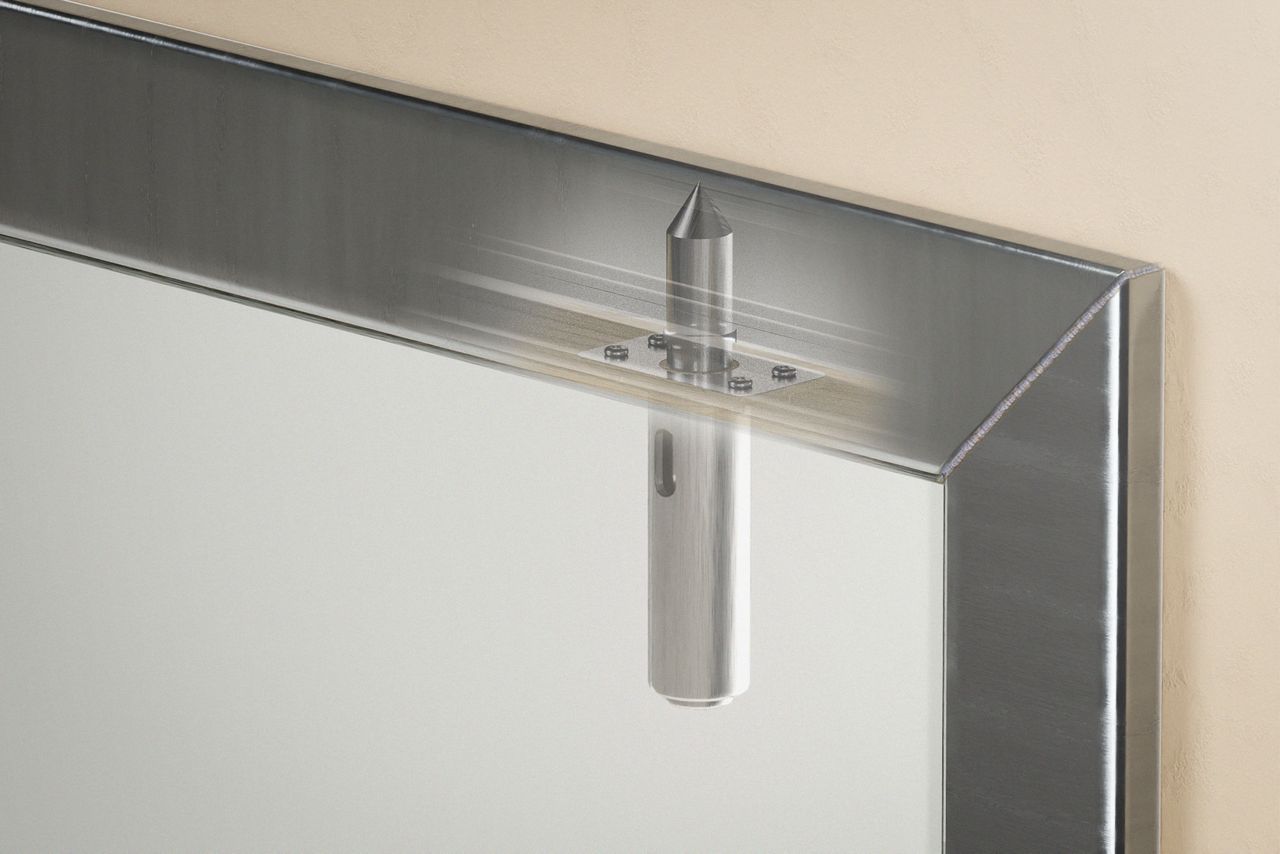
An Activated Fire Bolt
Demonstration of an activated fire bolt / retaining device in a fire doorset.
Spence Doors' fire-rated doorset never require fire bolts under any circumstance or configuration. This is by design to ensure long-term compliance for building owners and safety for building occupants.
What is a Fire Bolt?
The mechanism is a metal bolt fitted into a fire doorset’s frame. When exposed to extreme heat in the event of a fire, the bolt will activate into a cavity in the door leaf’s perimeter. This fixes the door and frame together to deter warping / deformation of the door. The intended purpose of the fire bolt is to maintain the integrity of a doorset as a fire-resistant barrier. This is informed by the Australian Standards fire doors must meet, most notably:
- AS 1905.1:2015 defining the purpose and material requirements of a fire-resistant doorset.
- AS 1530.4:2014 defining the testing requirements and parameters for proving fire resistance in building materials.
The Safety Risks
It is important to note however that once the fire bolt is activated, the door is fixed shut. This creates a barrier to entry for the fire department to gain access for safe handling of the fire and safe evacuation of any remaining occupants.
- Primarily, this poses a major safety concern for the safe egress of all occupants in protecting their health and safety.
- Secondly, it complicates the liability of the facility owners / managers and whether they have taken all necessary measures to ensure their facility is safe.
- Thirdly, incidental triggering of the fire bolt creates significant expense as the door and jamb are difficult to remove from this point.
What Fire Departments are Saying
As the safety risks are closely related to the role of fire departments, a number of key authorities in Australian fire safety have outlined their positions on the matter.
- Fire Rescue Victoria – “FRV believes that the RBS [Relevant Building Surveyor] should exercise a significant degree of caution in circumstances where fire activated retaining devices are present within fire doors that serve as exits, and not solely rely on the provision of AS 1530.4:2014 test reports as evidence of suitability.”
See the full statement here. - Fire and Rescue NSW – “FRNSW require fire doors to remain functional (i.e. openable and closeable) for the duration of any fire to allow safe evacuation of occupants and to facilitate fire brigade intervention. Fire doors should not be fitted with supplementary fire activated retaining devices that render the door inoperable once activated by fire.”
See the full statement here. - ACT Fire and Rescue – “It is the position of ACTF&R that fire rated door sets should remain functional during a fire incident to allow for occupant egress, fire brigade intervention and required fire separation. Activation of a fire activated bolt prior or during occupant egress or fire brigade intervention may create a non-compliance to Performance Requirements C1P2 and D1P2 as occupant egress, fire brigade intervention, and fire separation could be impeded. Compliance with AS 1530.4 does not guarantee compliance with Performance Requirement C1P2 or D1P2 if the fire activated bolt activates prematurely affecting the correct function of the fire rated door.”
See the full statement here. - Department of Fire & Emergency Services WA – “Fire bolts have different activating temperatures depending on factors such as their location within the door, the materials used in the door … This variability can affect the timing and effectiveness of the fire bolts during a fire… DFES are unlikely to be aware if fire bolts are being used since AS 1530.4:2014 considers those doors compliant with the test requirements. The functionality of fire doors is now considered unpredictable and unreliable. The use of fire bolts may present new scenarios that fall outside the scope of current firefighting training."
See full statement here.
No Fire Bolts with Spence
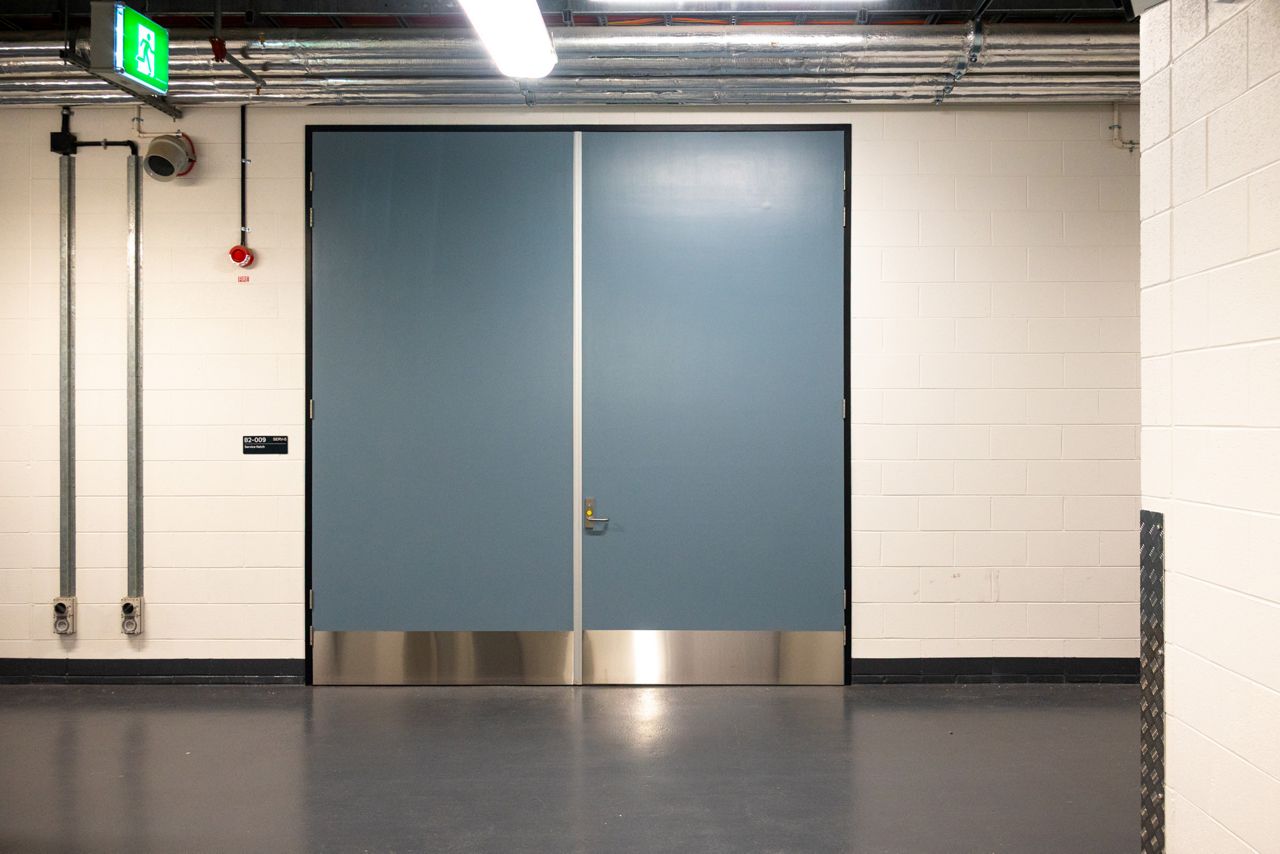
All Spence fire doors are manufactured using a proprietary core that maintains fire resistance without the need for Fire Bolts. Comparatively, many fire-resistant cores on the Australian market require fire bolts past a certain dimensional height or width.
As a result, you can be confident in Spence fire doors delivering the safety demanded by your building and its occupants. The compliance of these fire doorsets with the National Construction Code (NCC) is future-proofed as the potential for fire bolts being outlawed will not affect Spence doorsets whatsoever. This is inclusive of all fire doorset configurations of up to 2-Hours fire resistance.
Get in touch with the Spence team.
A fire bolts is a mechanism installed in the door leaf that activates under fire / extreme heat conditions to fix the door shut. This puts occupants in danger of being trapped inside had they not evacuated prior, and impedes the entry of fire services to assist. A number of fire services have made official statements voicing their concerns regarding the use of fire bolts. With this in mind, Spence Doors' have designed and tested fire-rated doorsets with no need for fire bolts.
Get in touch with the Spence team to learn more: